

In Brief:
- Koin Games is putting more than 70 new cards, five new decks and a deckbuilder into the Origins TCG demo for a weekend test run through the game’s Discord.
- The studio said it’s preparing a larger demo update and will test more content and features in the coming weeks.
- Origins launched its Steam demo July 15 and holds a 96% positive rating across 78 reviews, with the full game listed for Q4 2026.
What’s in the test
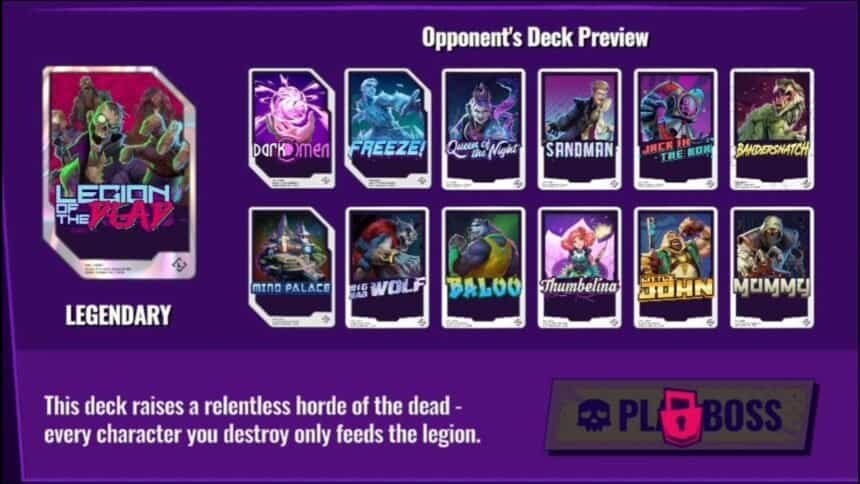
Koin Games is handing demo players a deckbuilder this weekend, along with more than 70 new cards and five new decks.
The studio announced the test in a post on X and pointed players to its Discord. “We’re preparing a big update for our demo and will be testing new content & features with you in the coming weeks,” it said.

You can try over 70 new cards in Origins TCG this weekend!
We're preparing a big update for our demo and will be testing new content & features with you in the coming weeks… for now:
– 5 new decks
– 70+ new cards
– Deckbuilding!!
Join us this weekend http://discord.gg/originstcgOrigins TCGView on X ↗
Deckbuilding is the addition that matters most. Origins runs 13-card decks across a three-lane board, with both players acting on the same turn and matches wrapping in roughly seven minutes. More than 100 locations rotate through the lanes and change what a deck needs to do, so a construction tool changes how much of that variance players can actually plan around.
Demo numbers
The Origins TCG Demo went up on Steam on July 15 and sits at “Very Positive,” with 96% of 78 user reviews positive. It’s English-only and online PvP.
The main store page is a different story. It carries no user reviews yet, lists a Q4 2026 release date and discloses in-game purchases including chance-based purchases.
The Steam pivot
Koin has moved its trading layer into the Steam Marketplace rather than the independent on-chain model it originally described, citing Steam’s transaction volume and an audience already used to trading digital items. The demo shipped with demo-exclusive collectibles tradable there.
That’s a shift from how the game was introduced. Origins arrived as “Project O” on Aug. 19, 2025, announced out of Sydney as an Immutable-powered title with verifiable card ownership and on-chain trading, and slated to be among the first games on Immutable Play.
“One of Immutable’s first titles, Gods Unchained (official site), was a TCG, so partnering with Koin Games to launch the world’s first competitive mobile TCG is a milestone we’re incredibly proud of,” said Robbie Ferguson, co-founder and president of Immutable, at the time.
The stated targets weren’t other crypto card games. Koin named Marvel Snap, Hearthstone and Pokémon TCG Live.
The studio
Koin Games is led by CEO and co-founder Timothy Jooste, a South African-born entrepreneur who came out of tech sales, alongside Kevin Lambert, who co-founded Microsoft’s Casual Games division. The team has grown to 34 people.
Their collective credits include Candy Crush, Apex Legends, Deer Hunter, EverQuest and Microsoft Solitaire, work Koin totals at more than 1 billion players and over $5 billion in revenue.
Jooste has said the game leads with a web2 experience and treats ownership as optional. Lambert has put it more bluntly, saying blockchain gets used only where it’s necessary. Jooste has also argued that building for web3 players alone means never reaching scale, which is why Origins asks for no wallet and no NFT knowledge to play.
The economy
There’s no native token. The economy runs on Blueprints, NFTs used to craft, upgrade and trade cards, and on digitally graded limited edition pulls that players can buy and sell. Koin has described the design as Pokemon’s scarcity model crossed with CS:GO-style rarity.
The billing is “free-to-compete,” with zero pay-to-win and competition on skill alone.
The game’s fiction is a “monk-punk” setting where Earth’s myths are real people. Robin Hood, Mulan, Winnie-the-Pooh, the Queen of Hearts and Boots all appear as cards.
Koin discloses on Steam that it occasionally uses AI-assisted tools for limited internal tasks, workflow acceleration and temporary placeholder materials. All final artwork is created or hand-finished by its art team, the studio said, and placeholder voices are performed in-house.
Jooste turned up at an event recently holding what looked like metal collectible cards built on the game’s IP. Koin hasn’t announced a physical product.










[…] a theatrical release, the franchise is coming back with an animated feature built around the trading card game, and it’s asking a question nobody at the company has bothered to answer in three decades: would […]