
In Brief:
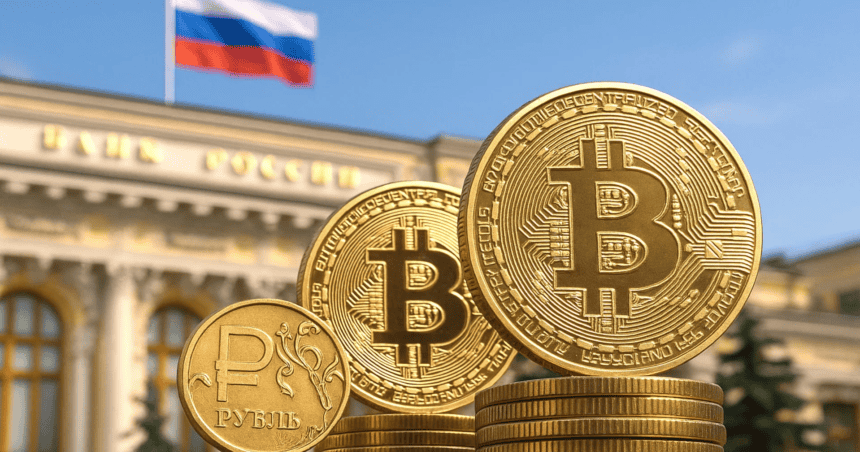
- The Bank of Russia has approved Bitcoin, Ethereum, and USDT for trading on licensed exchanges effective August 11, 2026.
- Non-qualified investors face an annual cap of 300,000 rubles per intermediary, while qualified investors have no limits.
- The decision opens a legal framework for cryptocurrency but still prohibits using crypto for domestic payments.
Bank of Russia approves select cryptocurrencies
The Bank of Russia announced specific approvals for cryptocurrency trading, naming Bitcoin, Ethereum, and USDT as the only assets cleared for non-qualified investors. The decision follows a legal framework established in July 2026 and officially takes effect on September 1, 2026.

This newly published list dramatically alters the crypto landscape in Russia. Non-qualified investors can purchase up to 300,000 rubles worth of these assets annually, with that limit applying to each intermediary, such as brokers or exchanges. In contrast, qualified investors can trade any cryptocurrency available on the market without restrictions.
Criteria for approval
The central bank evaluated potential cryptocurrencies based on market cap, daily trading volume, and a five-year price history on foreign platforms. Bitcoin, Ethereum, and USDT met all requirements. The central bank clarified that restricting less liquid cryptocurrencies aims to protect non-qualified investors from volatility.
XRP was excluded from the approved list despite meeting some technical criteria, likely due to its complex regulatory history, notably the ongoing SEC lawsuit against Ripple.
Compliance requirements for exchanges
For crypto exchanges wanting to operate under this new framework, there are specific compliance standards. They must maintain at least 15 million rubles in equity and join an approved self-regulatory organization, with a deadline for compliance set for July 1, 2027.
However, cryptocurrencies remain banned for domestic payments within Russia. This ruling allows trading and investing but prohibits using crypto for goods or services. Elvira Nabiullina, head of the Bank of Russia, reaffirmed this position throughout the transition from a restrictive to a regulated environment.
Implications for crypto gaming
While the approval directly affects trading of major cryptocurrencies, its implications for crypto gaming are nuanced. The framework does not encompass in-game tokens or NFTs, which struggle to meet the liquidity and history criteria. The impact becomes more significant when considering Russia’s large gaming market. Legal access to Ethereum could encourage player engagement with on-chain titles, as many games operate on that network.
Despite this, limitations remain. Buyers cannot use crypto for NFTs or entry fees, meaning the focus stays on trading rather than actual gameplay expenditure. For studios evaluating localization in Russia, this gradual opening suggests a cautious but evolving prospect.
The annual cap of 300,000 rubles, approximately $3,650, targets casual participants. Qualified investors, unrestricted by such caps, present potential for funding guilds and treasury positions in gaming tokens, although these tokens are not yet approved for trading. This dynamic highlights a complex but progressive approach to cryptocurrency regulation within Russia’s gaming sector.