

A dream team built one game in 1995 and nobody has caught it since. Not even the studio that made it.
Chrono Trigger turned 31 this year, and it’s still the high-water mark for Square Enix, a company with more genre-defining RPGs in its catalog than any other developer or publisher alive. That’s not nostalgia talking. It’s the plain reading of what the game did and what’s happened in the three decades after.
Square Enix has earned the credit it gets. Dragon Quest, Final Fantasy, everything wedged in between, the studio has spent decades building the vocabulary that JRPGs still speak in.

You can fault them, sure. They’ve been slower than other developers to adopt changes the genre badly needed, and they’ve left at least one dormant franchise sitting in a drawer when it deserves a restoration.
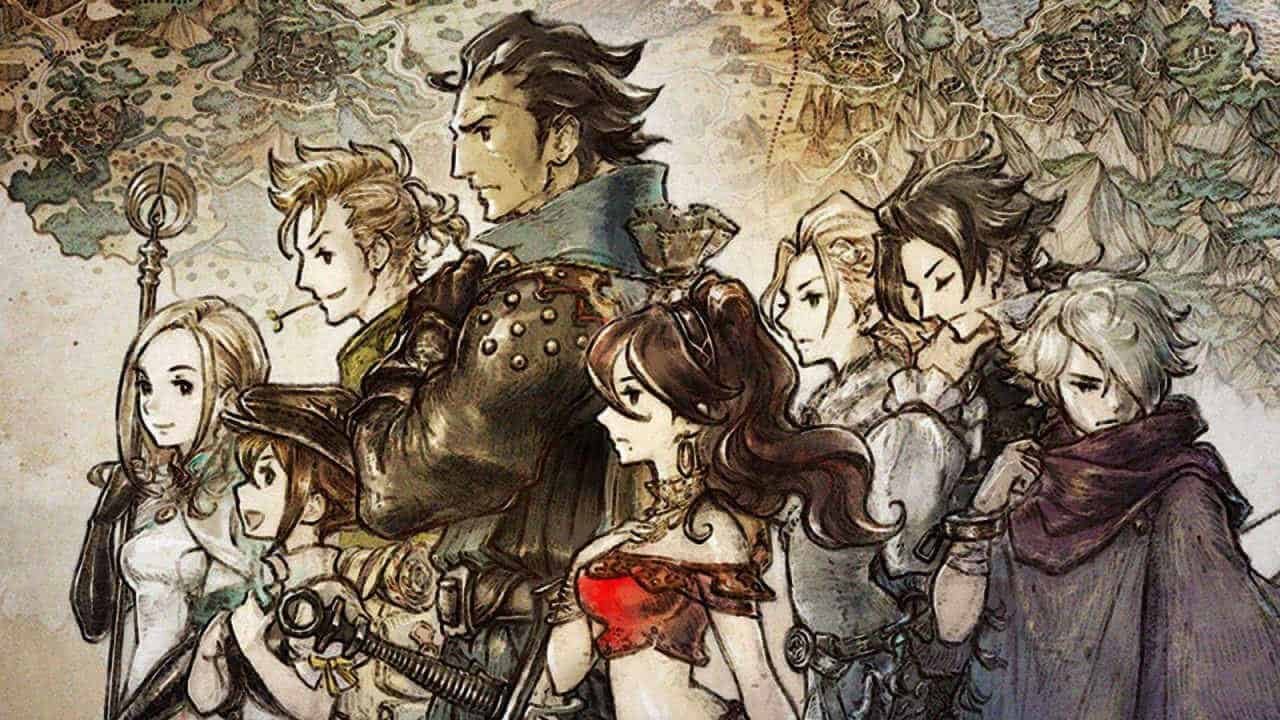
The studio is still making good RPGs, which is the point
Even in 2026, the output holds up. New entries in the franchises that have run the charts for years, plus original IPs that carry the same weight Final Fantasy and Dragon Quest did on arrival.
Look at Octopath Traveler. Look at the recent The Adventures of Elliot games. This isn’t a studio coasting.
And it still hasn’t topped the thing it made in 1995.
What it actually fixed
When Chrono Trigger came out, it was treated as a corrective. It went after the genre’s most annoying habits and killed them one by one.
Random encounters, gone. Enemies showed up on the map where you could see them. The pacing moved, with none of the mind-numbing filler that padded out so many games of the era.
The story was profoundly moving, built on characters written with enough dimension that they stuck with you after the credits. And the soundtrack ranked among the best in the genre, arguably among the best in games, full stop.
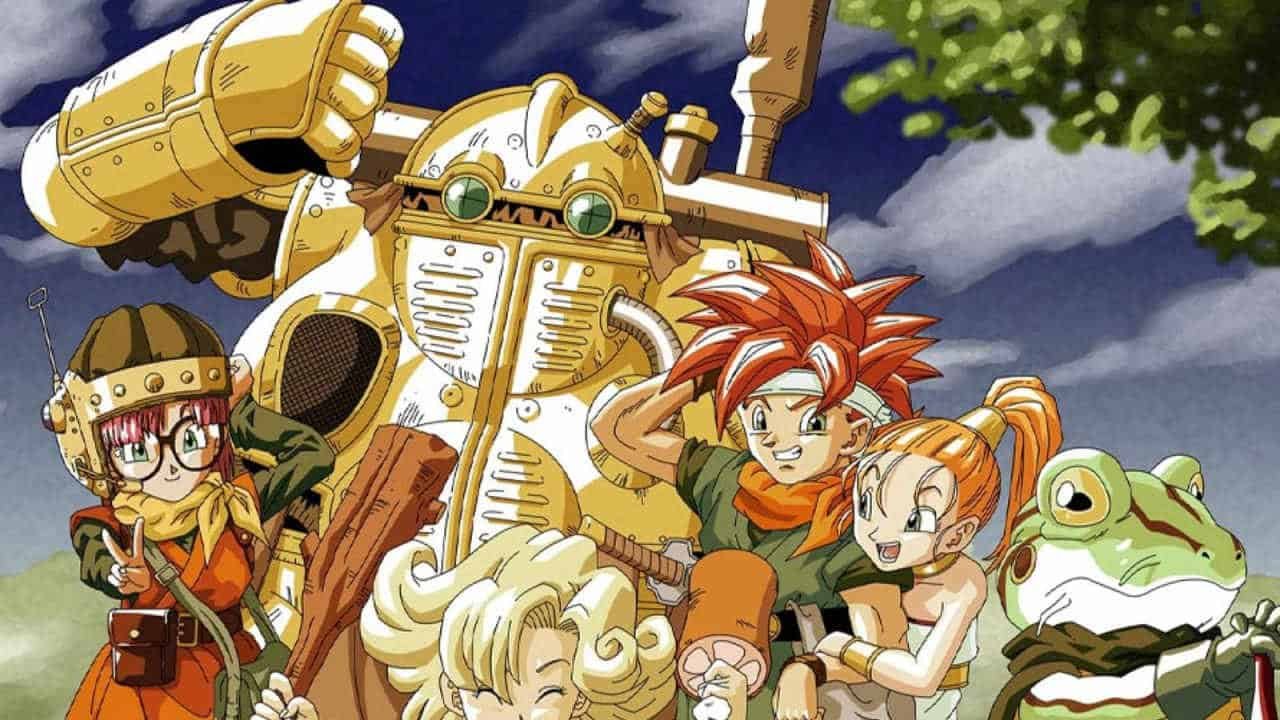
The credits read like a genre summit
Here’s why it landed the way it did. Hironobu Sakaguchi, who created Final Fantasy. Yuji Horii, who created Dragon Quest. Yasunori Mitsuda, the Xenoblade composer. Nobuo Uematsu, the Final Fantasy composer. Akira Toriyama, who created Dragon Ball and designed characters for Dragon Quest. Plus several other prominent JRPG creatives working alongside them.
They took everything they’d learned building those franchises and poured it into one project. The bar they set is so far up that Square Enix’s best modern work doesn’t come close to matching it.
Three decades on, you’d be forgiven for assuming it aged badly or lost its shine. It didn’t. It remains one of the most essential turn-based JRPGs ever made and the standard the rest of the genre gets measured against.
Same game, different meaning
What it represents has shifted, though. In 1995 it stood for progression and innovation, proof the genre could move forward.
In 2026 it stands for something else: what happens when creatives lead the design instead of a committee. Unbridled creativity, and what it buys you.
So why can’t you play it anywhere?
Here’s the part that makes no sense. Square Enix hasn’t ported its greatest RPG to modern hardware beyond PC. No remake. No remaster. Nothing.
Its fanbase has been asking for years, and they’re dogmatic about it in a way that should be catnip for a publisher.
A port would do the minimum job of preservation, keeping the game reachable for people who’ve never touched it. It might do more than that. Somewhere there’s a developer who’d play it and decide to pour everything into their own project, which is roughly how we got Chrono Trigger in the first place.