
Medical expenses are the single largest fundraising category on GoFundMe. Not just in the United States, but in all 20 countries the company operates in, including ones with nationalized healthcare.
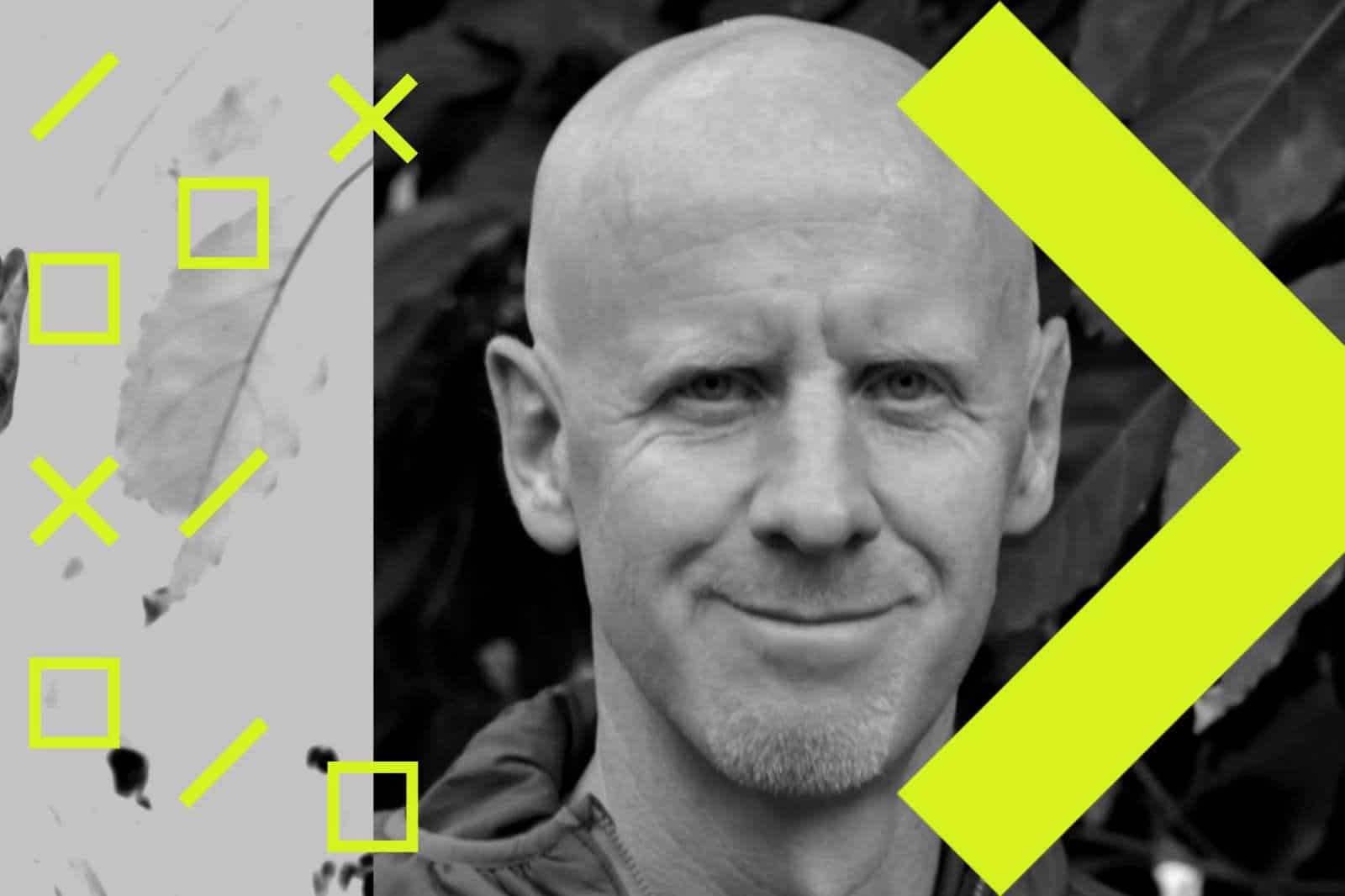
That’s the detail Tim Cadogan, GoFundMe’s CEO, offered when I put the obvious question to him: isn’t your biggest revenue driver a symptom of a broken American system? His answer complicates the premise. It doesn’t dissolve it.
Cadogan started on March 2, 2020. About a week later it became clear in the US that the pandemic was going to have major implications, though the picture had already sharpened elsewhere. Italy, an important market for the company, was the first European country hit hard. By the end of Cadogan’s first week, GoFundMe went remote.

The number that shows how far it spread
GoFundMe’s unaided brand awareness sat in the mid-30s when Cadogan arrived. It’s now about 70 percent. Aided awareness is in the low 90s. More than a third of American adults have used the platform, he said.
I put it to him that 2020 is when GoFundMe became a load-bearing part of American culture, the way Zoom briefly became load-bearing for American business. He hadn’t heard the phrase before and seemed to like it.
But the Zoom comparison breaks down fast. Zoom is enterprise software that leaked into consumer life. GoFundMe sits on top of questions about how communities should take care of each other, and whether asking is shameful.
The pandemic case nobody planned for
The medical fundraisers were expected. The restaurant ones weren’t.
As hundreds of thousands of small businesses shut down, loyal customers started campaigns for the wait staff and kitchen staff at their local spots. Tens of thousands of them. And that broke something operationally.
Withdrawing money requires a know-your-customer verification. For a business, it’s a KYB process, which needs paperwork. When nobody’s at their place of business, the paperwork doesn’t exist. Cadogan said GoFundMe and its third-party payment processors had to work out how to clear the backlog.
How the money actually works
Here’s the part most people get wrong. GoFundMe takes no platform cut on consumer fundraisers. The only mandatory fees are transaction processing: 2.9 percent plus 30 cents per transaction in the US, the same rate you’d hit buying gas with a credit card.
After that, donors get asked for a voluntary tip. Cadogan said 15 to 20 million people gave nothing last year. Typical tips from those who do pay run to a few dollars.
The average donation to a personal fundraiser is between $80 and $100, Cadogan said, checking the number that morning. It varies by category and country. On the GoFundMe Pro side, which sells fundraising software to nonprofits including World Central Kitchen, the Salvation Army, the Mayo Clinic and the Cleveland Clinic, recurring monthly donations run closer to $25 to $30.
Eighty million people donated last year. The platform has generated over $40 billion of help over the last 10 to 15 years, with 850 employees.
Why voluntary tipping doesn’t collapse
Optional payment sounds like a terrible business model. Cadogan says the law of large numbers saves it: individual behavior is wildly variable, but across tens of millions of donations it settles into a steady average.
I asked whether GoFundMe has whales the way Apple has Candy Crush whales, a handful of people generating a disproportionate share of fees. Cadogan said no, twice. Donations cluster in the center of the bell curve, and larger donors tip a smaller percentage.
The tipping interface used to be a stepper requiring a couple of clicks to change. Cadogan pushed for the slider that’s there now, adjustable in under two seconds without a click, surfaced in the main flow, at checkout and on the receipt. That’s the opposite of the enshittification direction, and he knows the pull exists.
The AI coach is doing more volume than expected
I nearly started a fundraiser by accident while testing the Smart Fundraising Coach. Tell it you’re opening a puppy shelter and it writes the campaign.
The component-level tools came first. GoFundMe noticed people abandoning at the title step, so it started suggesting three titles. Over 90 million uses of those components later, the company launched the full chat-based coach earlier this year.
GoFundMe expected the coach to help raise about $125 million more this year. It’s on track to double that, to a quarter of a billion, Cadogan said. Two-thirds of users report feeling less stressed, more confident and less alone.
Cadogan described watching a woman whose close friend’s son had died try to write a campaign. She couldn’t string together coherent sentences. The coach pulled the substance out of what she was saying.
Where I pushed and he mostly didn’t flinch
A University of Washington study of over half a million medical expense campaigns found 30 percent raised $0. The more medical debt a state carries, the less its campaigns raise. That’s not redistribution working. That’s redistribution failing in exactly the places it’s needed most.
Separately, economists found that ACA Medicaid expansion produces a significant reduction in health-related GoFundMe campaigns. Expand coverage, and campaigns in that state drop.
So I asked the blunt version: do you lobby against it? Cadogan’s answer was immediate. “No, we definitely don’t lobby against that.” I’ve had CEOs on this show lobby against things that would harm their business, which is why the question was worth asking.
He argued the emotional layer survives any policy fix. “When we help each other, we do not do it in expectation of return. It’s not a product or a service. You’re not buying anything. You are helping because you care and, in many cases, because you love someone else,” Cadogan said. On institutional support: “The NHS can do a lot. Medicare in Australia can do a lot, but it’s not coming with love, right?”
Both things can be true. The redistribution is still unequal and the platform still profits from the gap.
What GoFundMe won’t fundraise for
The terms of service ban fundraising for the legal defense of violent and financial crimes. Murder, fraud, a list of nasty things. Cadogan called it a values decision that reflects nothing about anyone’s guilt or innocence.
On the frozen Gaza fundraisers, an ongoing controversy since 2023, Cadogan said it isn’t a values call at all. GoFundMe has enabled over half a billion dollars of support into the Israel-Gaza conflict, he said, and some campaigns didn’t meet criteria under national and international regulations enforced alongside its processors.
Those processors are Adyen, Stripe and PayPal Giving Fund. GoFundMe never touches personal fundraiser money, which Cadogan frames as a checks-and-balances feature rather than a limitation.
The nonprofit pages mistake
GoFundMe set up pages for nonprofits that hadn’t signed up. State attorneys general accused it of plagiarizing charity pages. The company apologized, took them down, and is facing a class action lawsuit.
Cadogan’s read: “classic tech company thing, we moved a little bit too quickly.” With over 100 million monthly visitors, the aggregator logic was obvious. The consent step wasn’t.
I asked why AI slop hasn’t flooded a platform sitting on that much demand for actual money, not clicks. Cadogan thinks the format resists it. Over 80 percent of donors are first-degree connections. A fundraiser that doesn’t resonate with your own network doesn’t get the initial momentum it needs, so there’s nothing for a synthetic campaign to bootstrap from. He said the company is on guard and hasn’t seen crazy spikes in fundraiser starts.
That’s a real structural defense. It’s also an argument that depends on emotional authenticity being unforgeable, and I’d take the other side of that bet. When I raised it, Cadogan didn’t dig in: “The more powerful the technology, the more significant and unknown the implications. So I’m sure some of those guys are right.”
If you want the honest test of whether GoFundMe is a platform or a safety net, look at Altadena. Cadogan’s own town burned in January of last year. Six thousand homes gone, roughly two-thirds of the population displaced. Over 10,000 families used GoFundMe. It wasn’t enough to replace a house, he said. It covered first month’s rent somewhere else.