

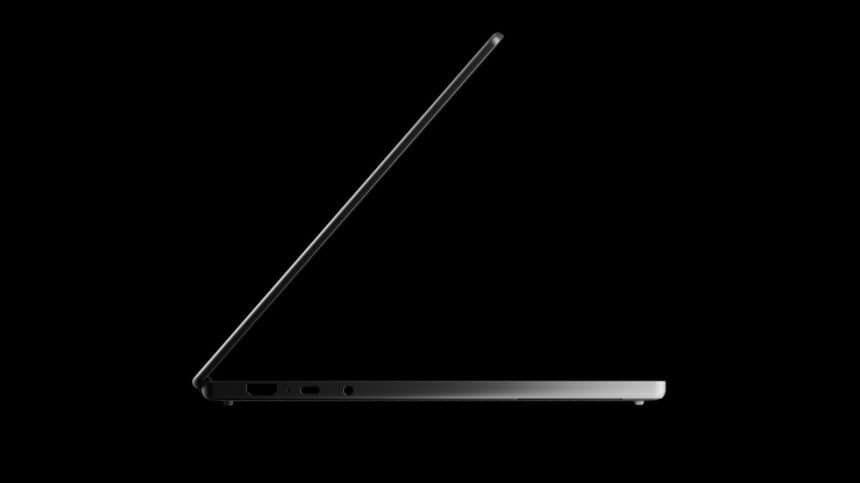
Google never showed a tablet. Every image the company used to introduce its Android-based rework of ChromeOS in May pointed at one thing: a laptop, unnamed, generic, doing laptop stuff.
Then Lenovo’s hardware leaked. And one of the three devices carrying Googlebook branding on its keyboard isn’t a laptop at all.

Three devices, one of them unexpected
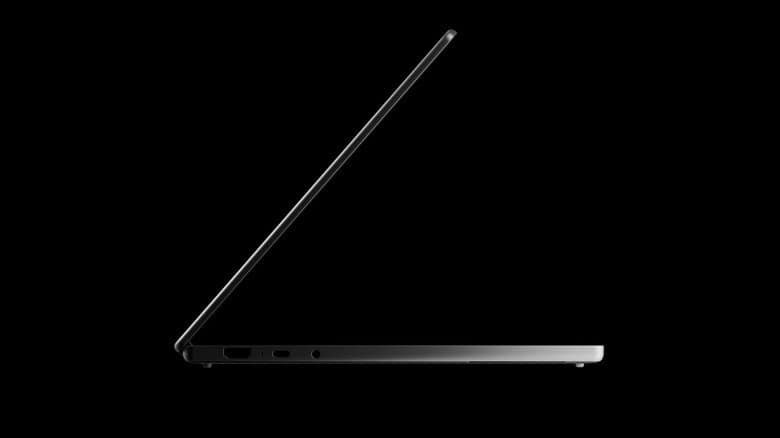
Leaked images shared by Android Headlines show what Lenovo has apparently built for the initiative: two laptops in the style of the company’s Chromebook Plus 14, in different sizes, plus a 2-in-1 tablet with a kickstand and detachable keyboard that looks a lot like the IdeaPad Pro Gen 2.
ChromeOS runs on tablets. Android obviously runs on tablets. But this is the first sign that Googlebooks aren’t a laptop-only proposition, which matters more than the industrial design does.
The input problem nobody’s addressed yet
Here’s the friction. Most of the Googlebook features Google has demoed so far are built around mouse and voice input. Magic Pointer, for instance, lets you wiggle your mouse to fire off quick, contextual prompts to Gemini.
Wiggling a mouse is a fine gesture. It’s also a gesture that doesn’t exist when you detach the keyboard and hold a slab of glass in two hands.
Google hasn’t said how that translates to touch. The leak doesn’t answer it either.
Everything is white and everything glows
All three devices are stark white. Not silver, not the muted gray that’s been Lenovo’s default for years. White.
Each one also carries a light strip that appears to be a “Glowbar,” the new hardware feature Google expects will separate Googlebooks from every other laptop on a Best Buy shelf. What it does beyond glow, Google hasn’t detailed.
Glowing lights also seem like they’ll show up on Google’s upcoming Pixel phones, which suggests this is a design language play rather than a functional one.
The port situation varies across the three. The number of USB-C and USB-A ports differs device to device, which is the kind of ordinary hardware differentiation that suggests these are real products in a real lineup, not concept renders.
What Google has actually committed to
No official launch date beyond later this year. Google named ASUS, Dell and HP as hardware launch partners alongside Lenovo when it announced the platform in May.
Since the whole initiative leans on third-party laptop makers, Googlebooks will likely arrive separately from Google’s own phones. That’s a real strategic difference from how Google has handled Pixel launches, where hardware and software land together on one stage on one day.
If you're waiting to buy, the thing worth watching isn’t the Glowbar or the white finish. It’s whether Google shows a single Googlebook feature that works with your fingers instead of a cursor. Until it does, that Lenovo 2-in-1 is a tablet running software designed for a mouse.