

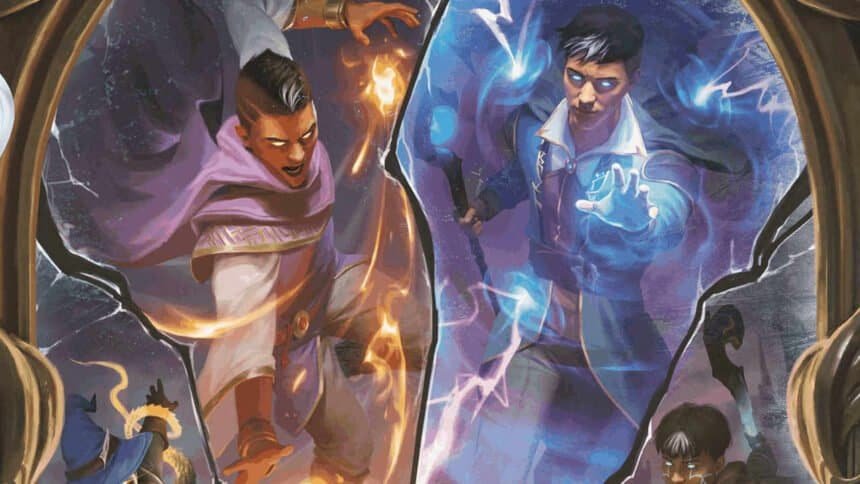
Eight new subclasses. Seven of them cast spells. That ratio tells you everything about what Arcana Unleashed is trying to be.
The new Dungeons & Dragons book goes deep on magic, and the subclass list follows the theme without much deviation. Magic-focused classes take up most of the additions. One outlier hands Fighters more arcane ability than they’re used to having.

Wizards get the biggest lift here. The 2024 Player’s Handbook gave every class an even four subclasses, a sharp cut from the eight the 2014 rules offered. Arcana Unleashed closes that gap, so if you’re rolling a wizard for your next campaign, these are worth reading before you commit.
The cleric who thinks magic is the point
Clerics and magic have always been neighbors, but magic itself is rarely what a cleric cares about most. Arcana Clerics break that pattern. They treat the knowledge and the power as “a gift they have the responsibility to share.”

At Level Three, Arcana Domain clerics can modify their spells with a use of Channel Divinity, either granting temporary HP to a spell target or debuffing a target’s saving throws against a spell effect. They also gain either proficiency in Arcana or a Level One cleric skill, plus two Wizard cantrips of their choice.
Level Six is where it starts feeling unfair in the good way. Arcana Domain clerics can use dispel magic as part of the same action, bonus action, or reaction when healing a creature or removing a condition. No spell slot required. Once per short rest.
Level 17 opens up four permanently prepared Wizard spells from levels six, seven, eight and nine. Arcana clerics also carry a list of prepared spells that gets upgraded at levels three, five, seven and nine.
The Fighter who borrowed from the elves
Arcane Archers fold magic into attacks and into ordinary adventuring life, working from an elven method and an understanding of magical theory. At Level Three they start with either druidcraft or prestidigitation as a cantrip, plus Proficiency in Arcana and Nature skills.

Level Three also unlocks “Arcane Shot” options, applied to ranged attacks with weapons that use Ammunition. Banishing, enfeebling, piercing. Pick your flavor of ruining someone’s turn.
By Level Seven, Arcane Archers can manipulate shots, choosing a new target in range after missing the original one. Magical Ammunition arrives at the same time, letting them apply magical properties like darkening areas and unlocking locks to their ammunition.
The high-level stuff is simpler and meaner. Level 10 lets them regain a use of Arcane Shot when rolling initiative. Level 15 grants teleportation when using their Indomitable feature. Level 18 lets them move away after a shot misses them, then counterattack without provoking an Opportunity Attack.
Monks with spell slots, which is new
The 2024 rules already made monks better than they’ve been. Warrior of the Mystic Arts keeps pushing.
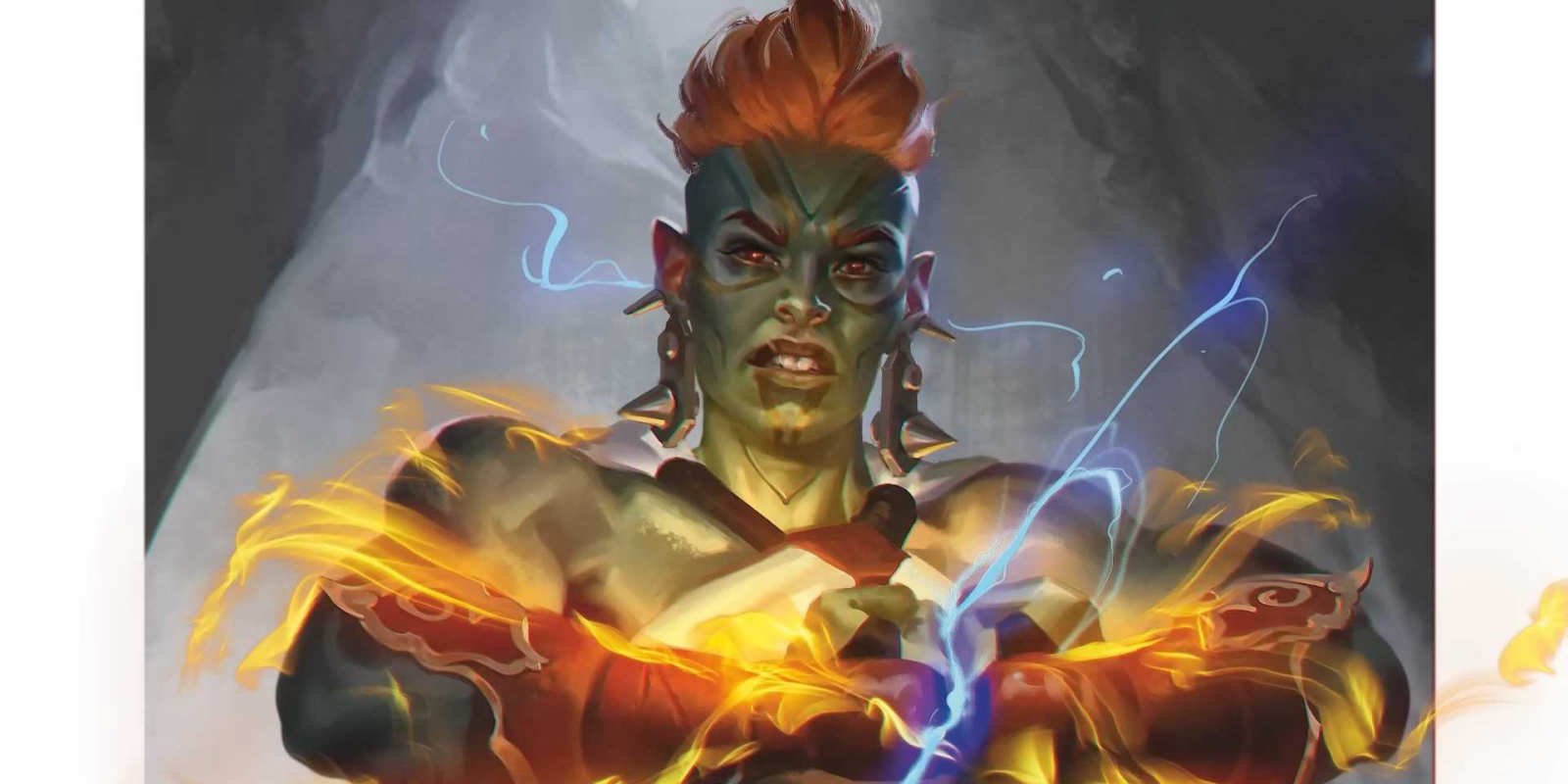
At Level Three these monks gain access to spell slots and sorcerer cantrips, with their spell access growing as they level. At Level Six they can replace one Unarmed Strike with a cantrip during an Attack action, and convert spell slots into Focus Points and back again.
Level 11 applies Disadvantage when using Stunning Strike on targets, whether the saving throw succeeds or not. Level 17 lets them replace two Unarmed Strikes in Flurry of Blows with Level One or Two sorcerer spells.
Warlocks serving gods who are running out of time
Warlocks usually pull power from dark places. Vestige Patron warlocks pull from desperate ones. Their magic comes from dying gods called vestiges, who hand over what strength they have left while trying to claw back their former glory.
Level Three brings a Vestige Companion that acts in combat and obeys the warlock’s commands. Once a day, that companion can pull on divine power through a few different abilities. Vestige Patron warlocks also get Vestige Spells, drawn from cleric domain spells.
At Level Six, Vestige Companions regain that divine draw with every Short Rest, Long Rest, or use of Magical Cunning. At Level 10, a companion dropping to 0 HP can be revived with a Pact Magic spell slot, once per Long Rest. Level 14 lets Vestiges temporarily shapeshift into more powerful forms based on Celestial, Fiends or Undead.
Conjurers, and the 30-foot problem solver
Conjurer wizards are about conjuration spells, which is not a surprise, and the summoning payoff is real. Level Three adds two Conjuration spells to their spellbook for free, and every level of spell slots brings another free one. They can also teleport up to 30 feet as a Bonus Action, including swapping places with willing creatures.
Level Six doubles that teleport range to 60 feet and lets them burn spell slots to restore the ability. Summons get their own buff at Six too, gaining temporary HP and Resistance to various damage types.
At Level 10, taking damage no longer breaks concentration on Conjuration spells. Level 14 delivers Splintered Summons, which under certain circumstances summons two creatures instead of one.
The mind-benders
Enchanter wizards work on manipulating minds, and not always toward evil ends. It starts at Level Three with proficiency in either Deception, Intimidation or Persuasion, plus an Intelligence-based bonus to ability checks with that skill. Two free Enchantment spells go into the spellbook, growing the same way Conjurers grow theirs.
When talking doesn’t work, Level Three Enchanters can inflict Charmed on nearby targets who fail Wisdom Saving Throws. At Level Six, Enchantment spells can be cast at an artificially high level to hit additional creatures without spending a higher level spell slot.
Level 10 lets them use Reactions to deflect certain attacks with the Enchanter’s charm, though going past once per Long Rest means casting Enchantment spells with spell slots to recharge it. Level 14 is the sinister one: creatures can be made unaware they’re being Charmed, and potentially lose several hours of memory.
The Necromancer keeps the dread going
D&D has had a dark year thanks to the previous Season of Horror, and that same mood seeps into Arcana Unleashed through the Necromancer Wizard.
Level Three brings two Necromancy spells with more promised as they level, Resistance to Necrotic Damage, an Undead familiar, and the ability to sap health from Undead creatures when casting Necromancy spells with spell slots.
Level Six lets Necromancers recover Exhaustion with Arcane Recovery, and their Wizard spells and features ignore Resistance to Necrotic damage when dealing damage. They also get a perpetually prepared animate dead spell, usable once per Long Rest without a spell slot, plus a couple of buffs to any Undead they summon.
Level 10 hands them more healing, letting them drain the life of Undead under their control whenever they become Bloodied. Level 14 lets them grant temporary HP to their Undead and then explode them at 0 HP, damaging everything nearby.
Transmuters get the most imaginative toys
The last of the new subclasses is the Transmuter wizard, focused, predictably, on Transmutation spells. Level Three adds two of them to the spellbook for free, with one more at each successive level of spell slots.
Level Three also produces a Transmuter’s Stone, created at the end of a Long Rest, offering Darkvision, Resistance to a chosen damage type, or a speed increase. It grants a constantly prepared alter self spell that can be cast free once per Long Rest, with unique bonuses to what alter self can do.
At Level Six, polymorph gets similar treatment. Six also lets transmuters raise the effective level of a Transmutation spell by one, as long as that spell doesn’t make an attack roll or force a saving throw and they cast it with a spell slot. The Transmuter’s Stone powers up too, granting an additional benefit and two new options.
Level 14 closes the book with ultimate abilities that expend the Transmuter’s Stone entirely. De-age a creature. Transmute an object. Of everything in the new Dungeons & Dragons book, these may be the options a clever wizard has the most fun breaking.