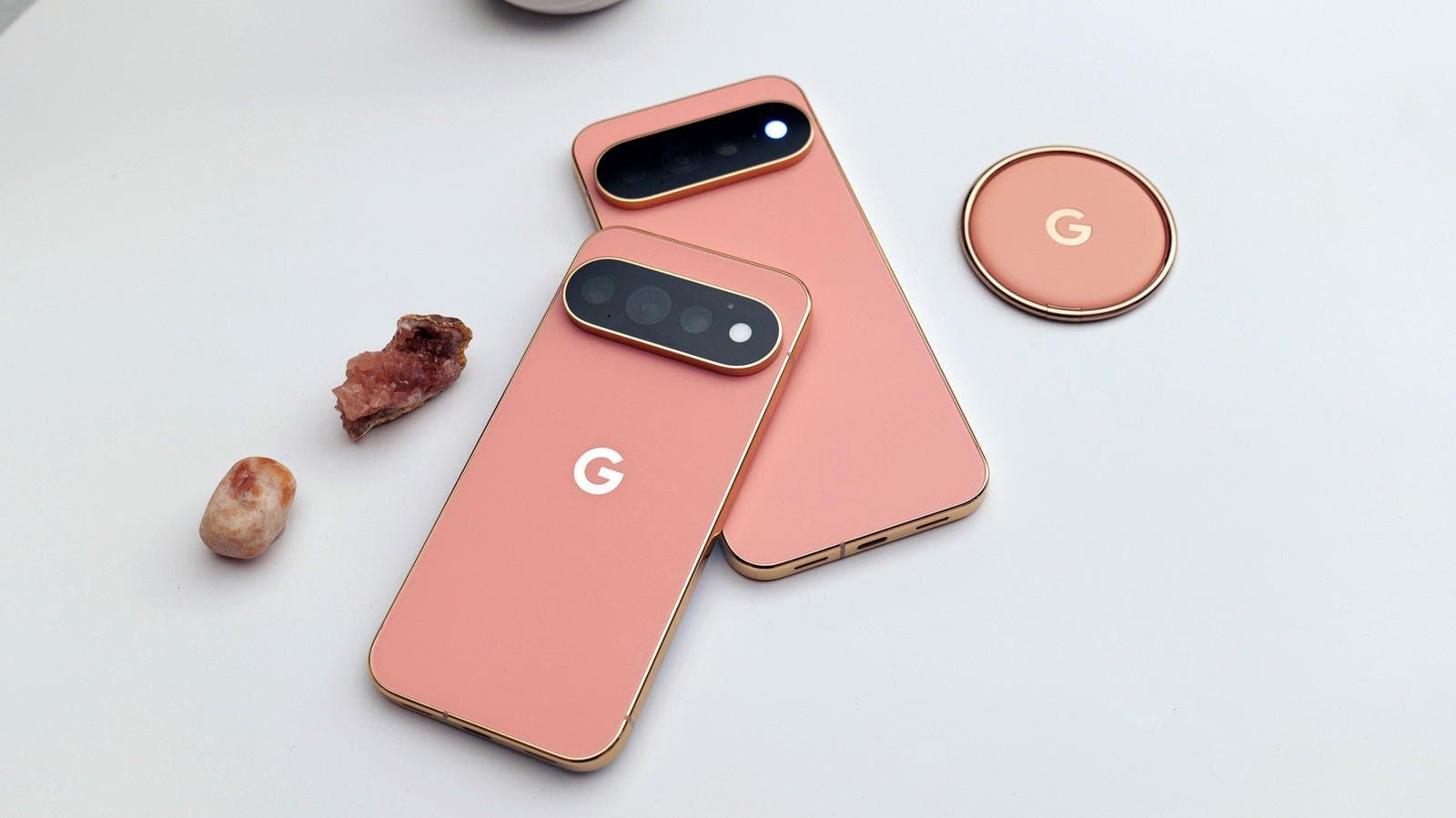

Google has told its suppliers that starting in 2027, not a single Pixel (official site) phone, watch or pair of earbuds will roll off a Chinese assembly line, according to a report from Nikkei Asia. Vietnam and India get the work instead.
That’s a full exit, not a hedge. Google has been quietly building capacity in both countries for years, but the bulk of its manufacturing still happens in China today.
The Pixel 11 was the test run
Back in January, Nikkei Asia reported that Google would develop and manufacture the Pixel 11 in Vietnam. That wasn’t a matter of shipping a few crates of parts across a border.
The company had to buy testing equipment and tooling machines, then verify and fine-tune the whole production process to build its latest phones there from scratch. Phones are the hard part. Earbuds and smartwatches are considerably simpler to assemble, so clearing the highest bar first is what reportedly convinced Google it could move everything else too.
Why Google can do this and Apple can’t
One source told the publication that walking away from China is easier for Google than it would be for a company like Apple, and the reasoning is blunt: Google doesn’t officially sell Pixel devices in China at all. There’s no domestic market to antagonize.
Its phone userbase there is still small. And Google can plug into the smartphone supply chain that Samsung already built out in Vietnam rather than starting cold.
That last detail matters more than the geopolitics. Standing up a phone line in a country with no existing supplier base is a multi-year problem. Standing one up next door to Samsung’s is a logistics problem.
Twelve million units, and Google wants more
Google has also apparently told suppliers it plans to raise Pixel shipments by 8 to 10 percent this year, up from 12 million units in 2025.
For context on how modest that is: 12 million units is a rounding error next to what the top Android makers move annually. Google isn’t chasing volume for its own sake. The company is hoping the phones pull more people into using Gemini's AI capabilities, which makes the Pixel less a profit center than a distribution channel.
The memory chip workaround
Here’s the shrewdest part of the report. Memory component costs are rising, and Google has reportedly been bundling its orders for phone memory chips together with the chip orders for its cloud computing business.
Google’s cloud arm buys memory at a scale its phone division never will. Folding the Pixel’s comparatively tiny order into that one gives Google leverage that a standalone phone maker shipping 12 million units a year simply doesn’t have. It’s the kind of advantage you only get when your phone business is a side project of a much larger company.
None of this is official. Google hasn’t confirmed the 2027 timeline, and supply chain plans reported two years out have a way of slipping. But if you’re wondering whether the Pixel 11 launching from Vietnam was a one-off experiment, the answer appears to be no. It was the pilot.